


Faith House Church Strengthens Community Safety with Fire Preparedness Outreach in Los Angeles County

Updated: Oct 12
Wildfire preparedness starts long before smoke appears on the horizon. In fire-prone areas across Los Angeles County, the difference between confusion and calm often comes down to planning, practice, and access to clear information.
Faith House Church continues to place community safety at the center of its outreach by supporting fire preparedness and emergency readiness efforts where the need is real and recurring. This work focuses on helping individuals and families understand wildfire threats, prepare their homes, make evacuation plans, and connect with resources before an emergency happens.
For many residents, especially those living near foothills, canyons, brush-covered hillsides, or wildland-adjacent neighborhoods, fire season is not an abstract concern. It shapes daily decisions about landscaping, transportation, insurance, pets, air quality, and how quickly a household can leave if conditions change.
Faith-based outreach can play a meaningful role in that readiness. Churches are often trusted places where people gather, ask questions, share concerns, and look out for one another. When that trust is paired with practical preparedness guidance, communities become better equipped to respond when every minute matters.

Why fire preparedness matters across Los Angeles County
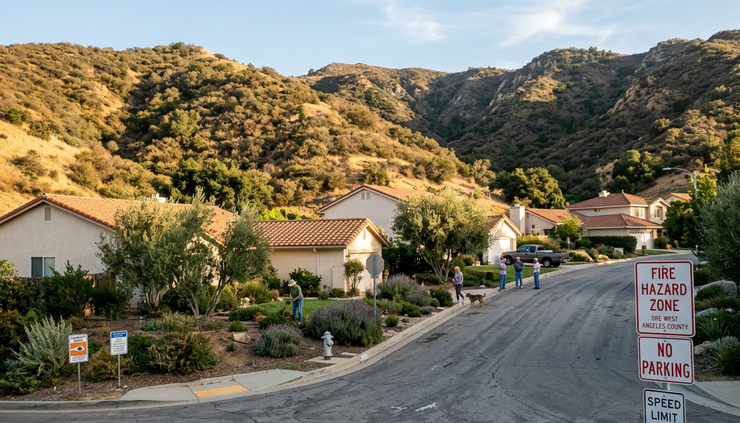
Los Angeles County has many communities where homes, roads, and natural vegetation meet. These areas can face fast-moving wildfire conditions, especially during periods of dry weather, wind, and low humidity. Even neighborhoods that do not sit directly next to open space can feel the effects of smoke, power disruptions, traffic congestion, and evacuation alerts.
Preparedness is not only about protecting property. It is about protecting people, reducing panic, and helping neighbors check on one another. A family that has packed essentials, knows where to go, and understands how to receive emergency alerts is in a stronger position than one trying to make every decision under stress.
Outreach also matters because emergencies do not affect every household in the same way. Some residents may have limited transportation. Some care for older adults, young children, or people with medical needs. Some households include pets or livestock. Others may not have easy access to preparedness supplies or may not know which alerts to trust.
That is why clear, community-based education has value. It turns preparedness from a vague idea into specific steps people can take:
Sign up for local emergency alerts.
Keep important documents in one place.
Build a basic emergency kit.
Create a family evacuation plan.
Learn more than one route out of the neighborhood.
Prepare pets and needed medications.
Check on nearby residents who may need help.
Faith House Church’s outreach helps make these steps easier to understand and easier to start. The goal is not to create fear. The goal is to build readiness with steady, practical support.
What effective wildfire outreach looks like
Good fire preparedness outreach works best when it is simple, local, and repeatable. People need information they can use at home, not a one-time message filled with technical terms.
Faith House Church’s emergency readiness outreach can support residents through practical education sessions, resource sharing, preparedness reminders, and neighborhood-centered conversations. These efforts help turn general safety advice into household plans.
A strong outreach effort often covers several core areas.
Families learn how to make a clear evacuation plan
An evacuation plan should answer basic questions before a crisis:
Who needs to be contacted first?
Where will the household meet if separated?
Which routes are available if one road is blocked?
What should be loaded into the car first?
Who is responsible for pets, medications, documents, and mobility equipment?
Families also benefit from practicing the plan. A short conversation at the kitchen table helps, but a quick walk-through can reveal problems. A packed car may not have enough room. A pet carrier may be missing. A phone charger may be in the wrong place. A child may not know the name of the meeting location.
Preparedness outreach gives families a reason to have these conversations before they are forced to act quickly.
Residents receive guidance on emergency kits
Emergency kits do not need to be complicated. They should be realistic enough that people can build them over time.
A useful kit may include:
Water and shelf-stable food
Flashlights and extra batteries
Phone chargers and backup power banks
Copies of important documents
First aid supplies
Masks for smoky conditions
Basic hygiene items
Prescription medications when possible
Pet food and pet records
Cash in small bills
A printed list of key phone numbers
Outreach can help residents think beyond a generic checklist. A household with infants needs different supplies than a household with older adults. A person who depends on medical equipment needs a different plan than someone who can leave quickly with a backpack.
Preparedness becomes stronger when it reflects real lives.
Neighbors learn how to receive trusted alerts
During wildfire events, information can change quickly. Residents need to know where official updates come from and how to avoid rumors.
Community outreach can encourage people to sign up for local emergency notification systems, follow official county and city public safety channels, and keep a battery-powered radio available if power or internet service fails.
Faith House Church can also remind residents that alerts should not be ignored simply because a fire looks far away. Wind, road closures, and smoke conditions can change the level of risk. When public safety officials issue evacuation warnings or orders, families should take them seriously.

Churches can help close preparedness gaps
Faith communities often know the needs of their neighborhoods in ways larger systems may miss. They know who lives alone, who may need a ride, who speaks a different language at home, and who might feel overwhelmed by official instructions.
This local knowledge matters during wildfire preparedness work. It helps outreach move beyond general awareness into human support.
Faith House Church Strengthens Community Safety with Fire Preparedness Outreach in Los Angeles County by meeting people where they are, both physically and emotionally. Some residents may have lived through past fires and carry anxiety each time winds pick up. Others may be new to the region and unfamiliar with wildfire behavior. Some may know they need to prepare but do not know where to begin.
Church-led outreach can help in several ways.
It creates trusted spaces for questions
People are more likely to ask practical questions in a familiar setting. They may want to know what to put in a go-bag, how to help an older parent, when to evacuate, or how to keep pets safe. A church setting can make those questions feel welcome.
A simple preparedness table after a service, a neighborhood safety session, or a resource handout can prompt conversations that might not happen elsewhere.
It helps people prepare together
Preparedness can feel less overwhelming when people do it as a group. A church can encourage families to build kits over several weeks, gather supplies, share checklists, and remind one another to update plans.
For example, one week might focus on documents. Another week might focus on evacuation routes. Another might focus on pet supplies or medication planning. Small steps make progress easier.
It supports vulnerable residents
Some people need extra time or help during an evacuation. Outreach can encourage neighbors to identify those needs before a crisis.
That might include:
Helping a resident sign up for alerts
Making a phone tree for check-ins
Encouraging families to plan for mobility needs
Identifying transportation concerns
Sharing information in plain language
Connecting residents with public safety resources
Churches should avoid replacing emergency services, but they can help residents prepare to follow official guidance more quickly.
A prepared community does not wait for a disaster to start caring for one another.
Fire readiness begins at home and grows block by block
Home preparation is one of the most practical parts of wildfire readiness. Residents cannot control wind or weather, but they can reduce hazards around their homes and plan for safer evacuation.
In Los Angeles County’s fire-prone areas, residents can benefit from regularly reviewing the space around their homes, especially before dry and windy periods. Local fire agencies often provide guidance on defensible space, brush clearance, and safe landscaping. Residents should follow the rules and recommendations that apply to their city or unincorporated area.
Common home readiness steps include:
Clearing dry leaves from gutters and roofs
Moving flammable items away from exterior walls
Trimming vegetation according to local guidance
Keeping driveways and access points clear
Making address numbers visible from the street
Storing outdoor furniture cushions safely during high-risk weather
Keeping vehicles fueled or charged when fire risk is elevated
Inside the home, readiness also means keeping essentials easy to reach. A go-bag hidden in a garage behind boxes may not help much. Important documents stored in several rooms can slow evacuation. A medication list saved only on one phone may be hard to access if the battery dies.
Prepared households keep supplies in known places and review them regularly.

Block-level readiness adds another layer. Neighbors who know one another can share information faster, check on households that need help, and reduce isolation during stressful conditions.
This does not require a formal program to start. A few neighbors can exchange contact information, discuss evacuation routes, and agree to check on specific homes if alerts are issued. Faith House Church’s outreach can encourage this kind of neighborhood connection by reminding residents that preparedness is both personal and shared.
Emergency readiness includes more than wildfire response
Wildfire preparedness often opens the door to broader emergency readiness. The same planning habits can help during earthquakes, power outages, extreme heat, flooding, poor air quality, or other disruptions.
A household that has water, flashlights, backup chargers, copies of key documents, and a communication plan is better prepared for many types of emergencies. A family that knows how to leave quickly during a wildfire may also respond better if officials issue another type of evacuation notice.
This broader view matters in Los Angeles County, where residents may face more than one kind of hazard in a single year.
Faith House Church’s outreach can help residents connect the dots between fire safety and general readiness. Instead of treating each risk as a separate burden, families can build one practical foundation that supports them through many situations.
A good emergency plan answers these questions:
Planning question | Why it matters |
How will the household receive alerts? | Official information guides safe decisions. |
Where will everyone meet if separated? | A meeting place reduces confusion. |
What supplies must leave with the family? | Essentials are easier to gather when listed in advance. |
Who may need extra help? | Planning ahead protects people who cannot move quickly. |
How will pets be transported? | Pets can delay evacuation if carriers or leashes are missing. |
What happens if phones fail? | Printed numbers and backup power can keep people connected. |
Emergency readiness also includes emotional readiness. Fires and evacuations can be frightening. Children may need simple explanations. Older adults may need reassurance and time. Caregivers may feel pressure to make fast decisions. Outreach that treats these concerns with patience can help people feel less alone.

A safer community starts with steady preparation
Fire preparedness is strongest when it becomes part of normal community life. It should not appear only after a major fire or during an evacuation warning. It should show up in conversations, checklists, seasonal reminders, and neighbor-to-neighbor care.
Faith House Church’s continued outreach in fire-prone areas of Los Angeles County reflects that steady approach. By helping individuals and families understand wildfire threats, gather supplies, plan evacuations, and connect with trusted resources, the church supports a safer and more prepared community.
The most useful next step is simple: choose one preparedness task and complete it this week. Sign up for alerts. Pack a small emergency bag. Talk through an evacuation route. Check on a neighbor who may need help.
Small actions taken early can make a real difference when conditions change. Preparedness is not a one-time project. It is a shared habit, built before the smoke, before the warning, and before the road out gets crowded.



Comments